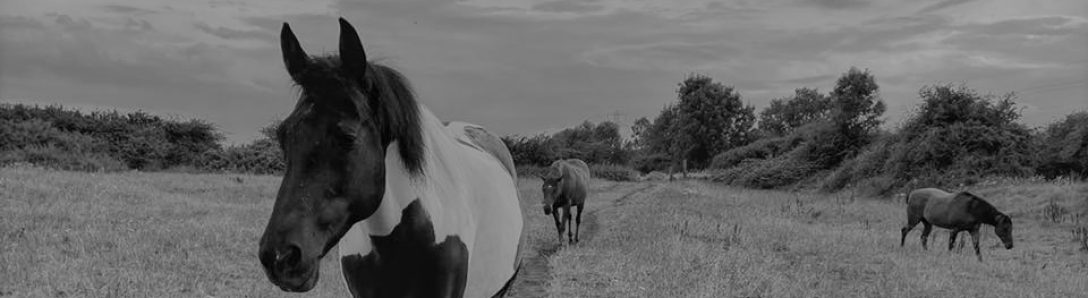
This week was super-busy, both in terms of teaching, but also as I am working on a couple of proposals and had some events I felt I had to get to. Plus it is week two of my initial learning with Athena Herd Foundation (a certificate in Equine Facilitated Interactions). But somehow I managed to squeeze in a day long escape on Wednesday 9th October – to NIETUPS.
Chris Kay and colleagues at Anglia Ruskin University put on an engaging day of research and demonstration at the Writtle Campus. Chris’s own presentation set the scene for considering the role of nature-based interventions and green social prescribing in supporting armed services, veterans, and emergency service personnel. I have to admit to not having enough experience with either military or first responders. Yet, I connected to some of the concerns about the pressures people face in work and the need for emotional support (e.g. through engagement with social work as a profession).
Then, I had more learning to do from Matthew Carpenter and James Banish from their experience in US Law Enforcement. The level of PTSD, suicide, and low life expectancy of police in the States shocked me: I think it is shocking when considering those who suffer directly (Jim talked of being a police suicide survivor, having experienced the loss by suicide of his brother see here https://amzn.eu/d/4BFrMO0 – though I wish I could find a non-amazon link I think it is important to share). I also had that stunned – and trapped – sense concerning what this means in a bigger picture of police managing the harms that there are in society (that many of those criminalised and engaging in criminal activity will also be trying to do, whilst both the ‘cop’ and the ‘crim’ side of the equation each being harmed themselves). This was the start of my feeling ‘yes, but’ how can we translate findings from specific spaces to others. Being more used to considering, say, people criminalised or those being harmed as a result of conflict (rather than policing or serving within conflict) I was aware that I was having a creeping concern that fragmentation of needs into different parts of the structures of the state might mean that quite a few people aren’t seen or heard in terms of their PTSD, for example.
Next Sgt (SI) Peter Smith was on to talk about the Battle Back Centre . This piqued my interest in terms of the adaptive sports equipment that they used and approaches to disability and mental distress. The shared work concerns personnel on recovery duties and is required for those in the Army and RAF. Wider policy and politics around getting disabled people back to work couldn’t help but be part of my context for viewing this. I’m wondering whether there is a way of ‘de-silo-ing’ work around the armed forces (and emergency services) so, whilst recognising what is different and specific, we also open up a little more to see how particular cultures and career models shape responses to disability and ill health when created or exacerbated by work that is not always ‘good for you’.
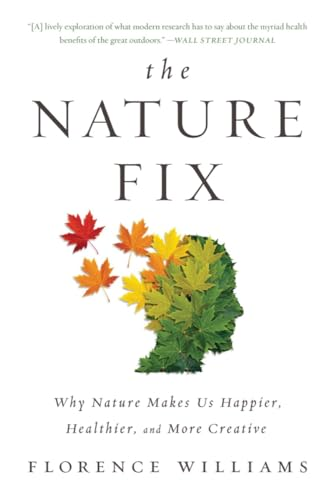
Ailsa Snaith then shared her research with military wives who had a wilderness canoe experience in Sweden. As well as the wider research reporting, the photographs here were beautiful and helped communicate the somewhat other-worldly experience of women who didn’t know one another coming together and learning how to paddle, to raft build, to find it in themselves to access survival skills, all through a process of forming, storming, and I think exploring is the best word to insert here! The presentation captured how people developed connections and supported one another. Ailsa made me smile when she reported that some of the women wondered where the animals were, but as they often talked and acted in the space, the animals weren’t easily seen! The connections made to the natural environment and each other and themselves seem to be the point – perhaps animals could be part of that, but they aren’t necessary! I look forward to hearing more about this when the diaries have been analysed more fully – sounds like there is a lot of data here. In terms of thinking about relevance beyond the military, I wondered if there were others for whom this kind of intervention would be of value, and how widely we could offer these experiences. What of the good it provides could be built into people’s worlds so that there was access to parts of the process even if there is not the potential for this to become available to many with traumatic experiences and disrupted lives. I’ll follow upon her recommended reading here – Florence William’s ‘The Nature Fix‘.
Cliff O’Farrell then shared his experience of the UK Household Cavalry and a process of recovery following a substantial set of injuries on duty in Afghanistan. Riding and specifically polo have become part of his world, something he shares with others too in trying to enable those with emotional distress and lack of access to horses to experience the physical and emotional benefits of riding. This was a long journey though – two years in a wheelchair, and he went through the Battle Back programme. I was super impressed with his long distance swimming as well as the horsemanship! Medically discharged, he has experienced polo alongside other injured servicemen, plus has found falconry, and kept searching for more! Endurance riding in South Africa, more time in the saddle in Iceland, stunt and confidence work at the Centre for Horseback Combat in Hertfordshire, and more riding in India. One particular connection with a young girl in India (who wanted to gift Cliff a trophy after he let her have some time on a horse) is carried forward; that trophy is now part of the polo for heroes world.
The role of horses in people’s wellbeing was further underscored by a personal presentation by Denny Wright who lost his sight in the US after being violently stabbed multiple times in his role as a law enforcer. The work he is engaged in with mustangs, who themselves might be understood as having had disrupted life histories, was beautiful to see shared. Mary Jo Beckman – who has delivered therapeutic riding including to verterens in the USA for many years – followed this with stories of the value of riding and different programmes that have been provided to soldiers at different times. She stressed the importance of those delivering services understanding some of the unwritten rules of culturally appropriate ways of engaging with those from a military context, something that yes may sound as though it is a ‘given’ but I’m very aware that I have knowledge and skills with other professional groups more than I do in this space! In relation to the military factors such as the need for purpose, arriving early as on time is considered late, understanding activities as a form of mission were all important for me to hear (I like process, arriving on time or late as almost polite (not wanting to take people’s time up more than they are paid to have me for!), and not being mission oriented but more organic)!
The final major lecture based presentation we had was by Anita Shkedi who shared on PTSD, the impact of trauma on the body, and the value of the horse human experience wich can support a traumatised adult have new experiences and a sense of developing an understanding of themselves. The connection that you can can in relation to one’s own body, whether in the presence of horses, undertaking groundwork or riding, can help address anxiety and distress and improve a sense of trust, comfort and self regulation.
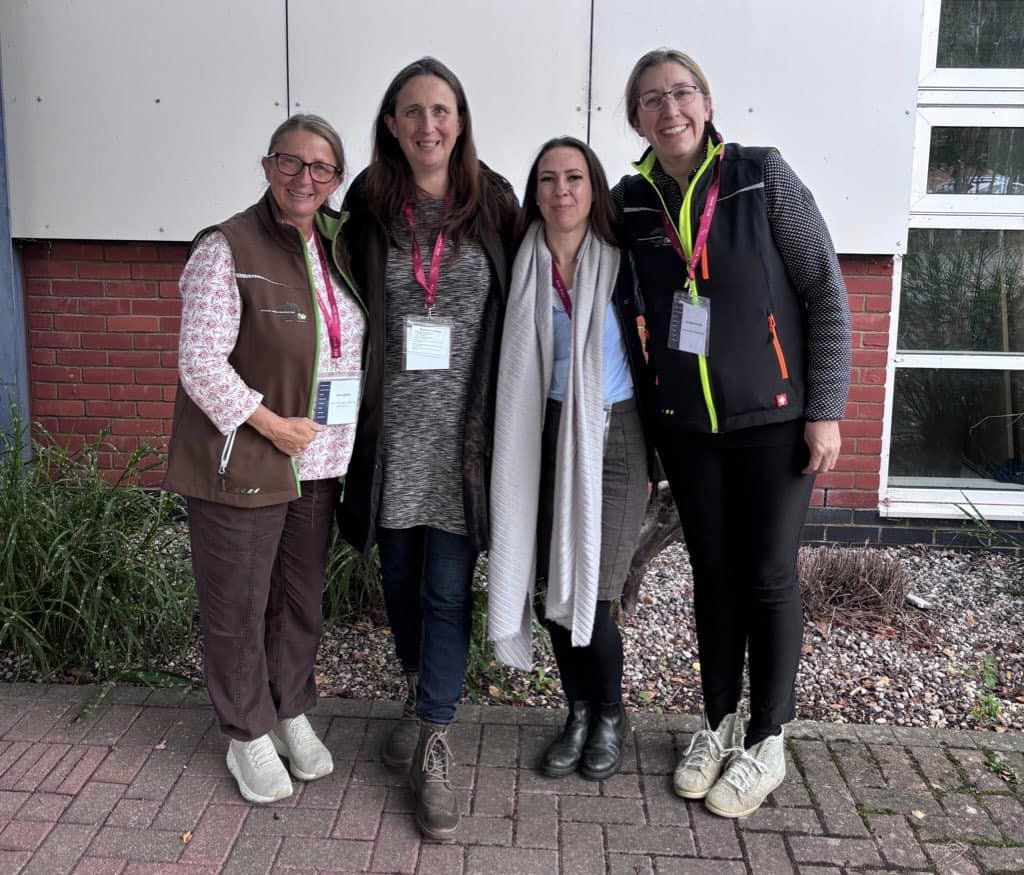
Photograph: four women in front of a brick building at Anglia Ruskin University. From the Left: Jane Gilbey, myself – Harriet Clarke, Katy Wright and Jennifer Geach.
After lunch we journeyed a mile or so down the road to watch horses with humans. Jonathan and Stacy Friedlander alongside Mary Jo Beckman (each of which have many years experience of delivering work in the USA) joined Cpt Karl Scholes of the British Household Cavalry to share ways of working on the ground and in ridden. I couldn’t stay for much of this as I had to get home for my online equine facilitated learning! But it reminded me of some of the horsemanship work I’d been engaged with when I first had a horse, pressure and release-based training, particularly the idea of sending off a horse that wasn’t connecting until it came back to you. I have mixed feelings about all of this – it’s clear that, as with different approaches to parenting, there are different approaches to engaging with horses. I’m seeking a low pressure, choice based approach but know that there can be some quick experiences of connection with what I saw demonstrated. I was left mainly fascinated by how we might bring different cultures and lay them over the horsemanship approach being enacted – so what one person might describe as being about discipline, I saw it as being about care. And perhaps what this also means is that the horse needs to be seen for much more than it can bring to the human s/he is interacting with, the horse cannot just be a tool, because it is the quality of the (as far as possible, freely given) relationship they have the opportunity to provide that will determine how we can learn from them.
I’m feeling very lucky that so many people—academic and otherwise—have supported me in finding my current path. There are many others with significant interest in the role of nature and of animals in human welfare and well-being, whether through ‘interventions’ or more natural ways of humans experiencing the more-than-human world. From the animal science world too, there is a lot I have gained from hearing about how welfare and wellbeing are considered for other sentient beings. Here I was able to spread my wings a little further and find a lot more food for thought in exploring academic and practice futures in my ‘interspecies insights’ world.
 Interspecies Insights